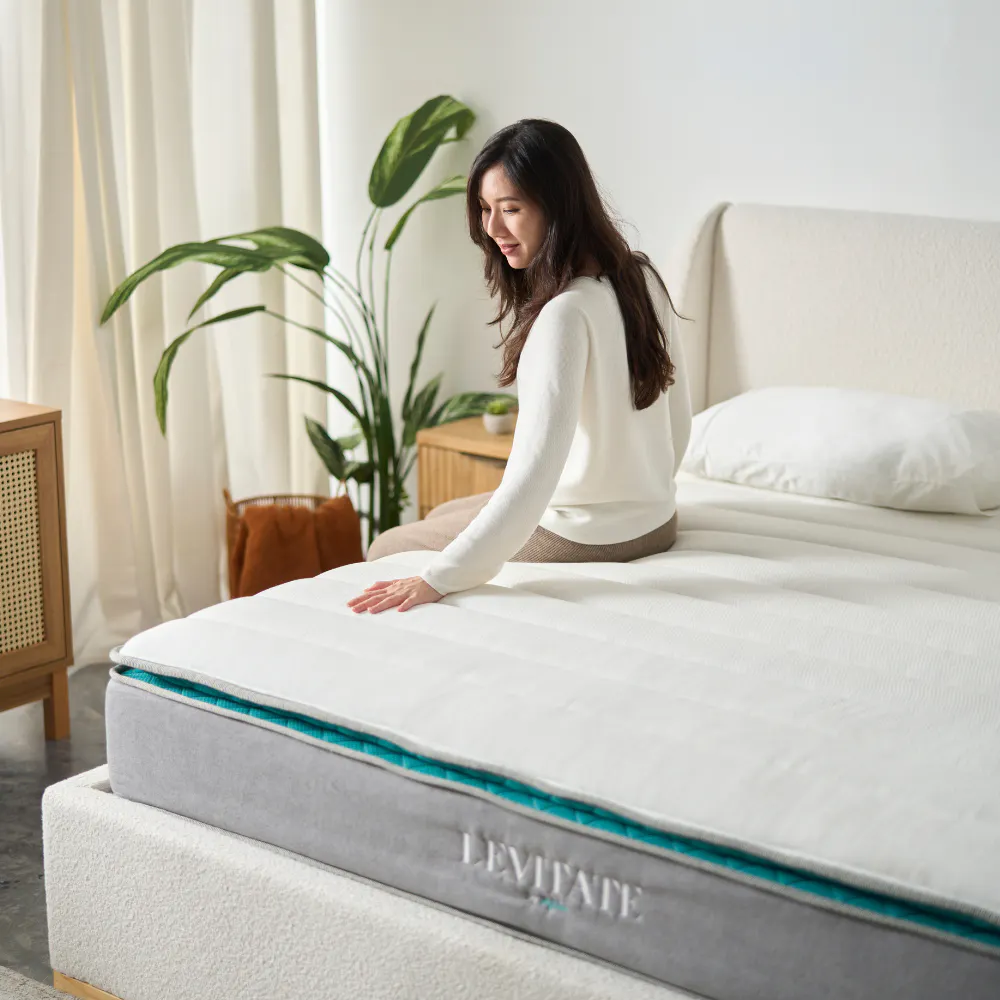
Mattress Buying Guide: How to Choose the Right Mattress for Better Sleep
You usually know your mattress is wrong by how you feel when you wake up in the morning – something no ten-minute showroom test can fully reveal. Given that most of us spend roughly a third of our lives in bed, choosing the right mattress genuinely changes daily life. Choose the wrong one and it shows up as aches, broken sleep and the cost of replacing a mattress earlier than expected. The good news is the decision really only comes down to three things: the mattress type that suits your sleeping preference, the firmness that suits your sleeping position, and the cooling and temperature regulation you need for Singapore's climate.
Our mattress buying guide will walk you through each of them, including how mattress type, firmness and sleeping position work together, common mistakes to avoid, the signs it's time to replace your mattress, and a final checklist to guide your showroom visit.
Why Choosing the Right Mattress Matters
The right mattress quietly does its job. It supports your spine, helps you regulate temperature, and provides lasting comfort for seven to ten years. The wrong one works against you every single night, and the impact is real: sore backs, restless sleep, tired mornings, and a slow drag on your energy through the day.
In Singapore specifically, three things make this decision worth thinking through carefully:
- Heat Regulation: In a climate as warm and humid as ours, breathability and cooling tech (gel infusions, ventilated foams) are essential, not just nice-to-haves. The wrong mattress can sleep hot every single night.
- Bedroom Size: Most local bedrooms are compact, so choose a mattress size that's proportionate to the room's dimensions rather than the biggest one you can technically fit. Oversizing eats up walkway space and makes the room feel cramped.
- Long Lifespan: A mattress is a longer-term purchase than most furniture. You'll live with the same one for seven to ten years, or even fifteen for latex, so it is worth taking the time to choose carefully upfront.
If you're going to live with a single piece of furniture every night for the next decade, this is the one to take time over.
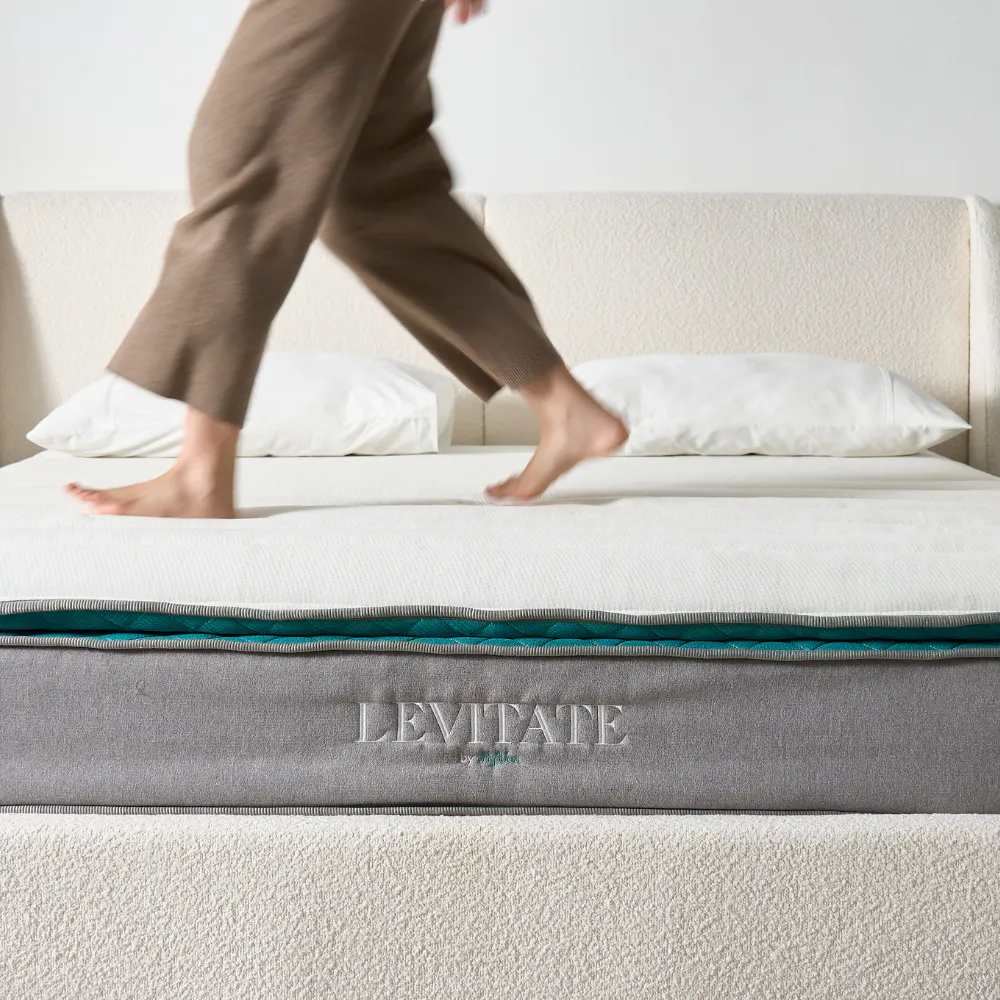
Understanding Mattress Firmness
Firmness sounds like the kind of thing you should just feel out in a showroom, but it actually follows a pretty predictable scale. Most mattresses are rated from 1 (cloud-soft) to 10 (sleeping on a board), and the right number for you comes down to your sleeping position, your body weight, and your personal comfort preference.
| Rating | Label | Feel | Best for |
|---|---|---|---|
| 1–3 | Soft | Deep sink, plush | Lighter sleepers, strict side sleepers |
| 4–6 | Medium to medium-firm | Some give with support | Most adults, combination sleepers |
| 7–8 | Firm | Minimal sink, strong support | Back and stomach sleepers, heavier sleepers |
| 9–10 | Extra firm | Almost no give | Specific medical or orthopaedic needs |
A quick rule of thumb to layer on top of the scale: side sleepers usually do best at 4 to 6, back sleepers at 5 to 7, and stomach sleepers at 6 to 8. Heavier sleepers generally need to go one notch firmer than lighter sleepers at the same position, simply because more weight pushes deeper into the same mattress.
Types of Mattresses in Singapore
With size and firmness handled, there are four mattress types (memory foam, pocket spring, hybrid, and latex) worth knowing in this mattress types guide. Each one feels different, and the right pick really does depend on how you sleep.
Memory Foam Mattresses
Memory foam is the one that wraps around you. It contours to your body shape, eases pressure points and absorbs partner movement so well you barely notice when they shift in the night. The catch in Singapore is the heat. Traditional foam can sleep warm, which is exactly what modern cooling gels and ventilated foams are designed to solve.
- How it Feels: Soft, hugging, slow to bounce back.
- Pros: Outstanding pressure relief, excellent motion isolation, accommodates all body types.
- Cons: Traditional foam traps heat, so look for gel-infused or ventilated versions in our climate.
- Firmness Range: Typically 4 to 6 on the scale (soft to medium-firm).
- Best For: Side sleepers (the foam cradles hips and shoulders beautifully), and back sleepers if you choose medium-firm rather than soft.
Pocket Spring Mattresses
If memory foam is a hug, a pocket spring mattress is a firm handshake. Each coil is wrapped individually and moves on its own, so you get responsive, supportive sleep with better airflow and breathability. It's the breathable option, which is no small thing in Singapore's humidity.
- How it Feels: Firm, responsive, with a touch of bounce.
- Pros: Very breathable, strong edge support, good for heavier sleepers, and longer-lasting than older Bonnell spring designs.
- Cons: Less contouring than foam, and partner movement transfers a touch more than memory foam.
- Firmness Range: Typically 6 to 8 (medium to firm).
- Best For: Back sleepers (the coils support the natural curve of the spine) and stomach sleepers (firmer support keeps the spine aligned).
Hybrid Mattresses
Hybrid mattresses are exactly what they sound like: pocket springs underneath, memory foam or latex on top. The aim is to give you the contouring of foam with the support and airflow of springs, and at their best, they really do split the difference well. Think of them as the all-rounder of the four.
- How it Feels: Balanced, supportive with a touch of cushioning.
- Pros: Combines comfort and support without forcing a trade-off, and the airflow from the coils helps offset foam's heat retention.
- Cons: More expensive than single-material mattresses, and quality varies widely depending on how well the layers are built.
- Firmness Range: Typically 5 to 7 (medium to medium-firm), depending on the foam layer thickness.
- Best For: Combination sleepers (the hybrid adapts as you change position through the night), couples with different preferences (the most forgiving option when one of you likes firm and the other likes soft), and side and back sleepers (both are well-served).
Latex Mattresses
A latex mattress sits in a category of its own. Made from natural or synthetic rubber, it has a buoyant, springy feel that's naturally cool and exceptionally durable, which makes it the long-haul option of the four. If you're after a mattress that will still be doing its job a decade and a half from now, this is the one.
- How it Feels: Firm, springy, with a gentle responsiveness underfoot.
- Pros: The longest-lasting mattress type (often 12 to 15 years), excellent temperature regulation, naturally resistant to dust mites and mould, and eco-friendly when made from natural latex.
- Cons: The heaviest type to move around, and natural latex sits at a premium price point.
- Firmness Range: Typically 6 to 8 (medium-firm to firm).
- Best For: Back sleepers (consistent support across the body), and stomach sleepers (firm options work well). Side sleepers should look for softer latex with comfort layers, as pure latex can feel too firm against hips and shoulders.
Mattress Type Comparison
If you'd like a quick read on how the four stack up side by side, here it is:
| Type | Feel | Firmness | Heat | Lifespan | Best for | Recommended HipVan Mattress |
|---|---|---|---|---|---|---|
| Memory foam | Soft, hugging | Soft to medium-firm | Warm (cool with gel) | 7–10 yrs | Side sleepers, couples | DREAM |
| Pocket spring | Firm, bouncy | Medium to firm | Cool | 8–10 yrs | Back and stomach sleepers, heavier bodies | SLEEP |
| Hybrid | Balanced | Medium to medium-firm | Cool to neutral | 8–10 yrs | Combination sleepers, mixed-preference couples | LEVITATE, DREAM |
| Latex | Buoyant, firm | Medium-firm to firm | Very cool | 12–15 yrs | Back sleepers, long-term buyers | LEVITATE |
Common Mattress-Buying Mistakes
Here are five common pitfalls to watch out for when shopping for a mattress. Knowing them in advance is half the battle won.
- Buying purely by firmness label: What one brand calls "medium-firm", another calls "firm." Always feel it in person if you can, or check the firmness scale (1 to 10) numerically.
- Ignoring base compatibility: The base your mattress sits on matters more than most people realise. If a foam or hybrid mattress sits on a slat base with gaps wider than about 7 cm, the mattress might sag into those gaps over time, wearing unevenly and losing its shape. Because manufacturers know this, most warranties specifically state a maximum slat spacing (usually 5 to 7 cm), and using a base with wider gaps may void the warranty. Always check your bed frame's slat spacing before you buy.
- Forgetting Singapore's heat: Skip pure traditional memory foam without cooling tech if your bedroom isn't air-conditioned regularly.
- Skipping the trial period: A mattress needs at least two weeks of real sleep before you can judge it fairly; the ten-minute showroom test will not tell you enough.
- Buying without measuring the bed frame: Singapore mattress sizes differ from US, UK and EU standards, so always check the centimetres against your frame. Read our guide on bed frames for more details.
When to Replace Your Mattress
Most mattresses are good for seven to ten years, but the calendar is less reliable than your body. The real signal it's time to replace is how you actually feel when you wake up. Five signs to watch for:
- You wake up with aches you did not go to bed with.
- You sleep better on hotel beds or sofas than on your own mattress.
- Visible sagging, dips or lumps in the surface.
- Springs that creak, poke or feel uneven beneath you.
- Allergies or asthma that worsen at night, since dust mites accumulate in older mattresses.
If two or more of those apply, it might be time.
How to Select the Right Mattress: Selection Checklist
Before you commit, run through this quick mental checklist. It's the easiest way to make sure you're choosing a good mattress rather than the first one that felt nice in the showroom.
- Choose Mattress Type: Memory foam, pocket spring, hybrid or latex
- Select Firmness Rating: Target a 1 to 10 scale, not just a label
- Confirm Sleeping Position: Side, back, stomach or combination
- Confirm Size: In centimetres, against your bed frame
- Consider Cooling: Especially if your bedroom isn't air-conditioned
- Check Base Compatibility: Slat spacing or solid base, as the mattress requires
- Understand the Trial Period and Warranty: How long you have to return, and what the warranty covers
- Set Your Budget: Before walking into the showroom, not during