Interior Design Trends 2026: 4 Home Styles Taking Over Singapore Homes
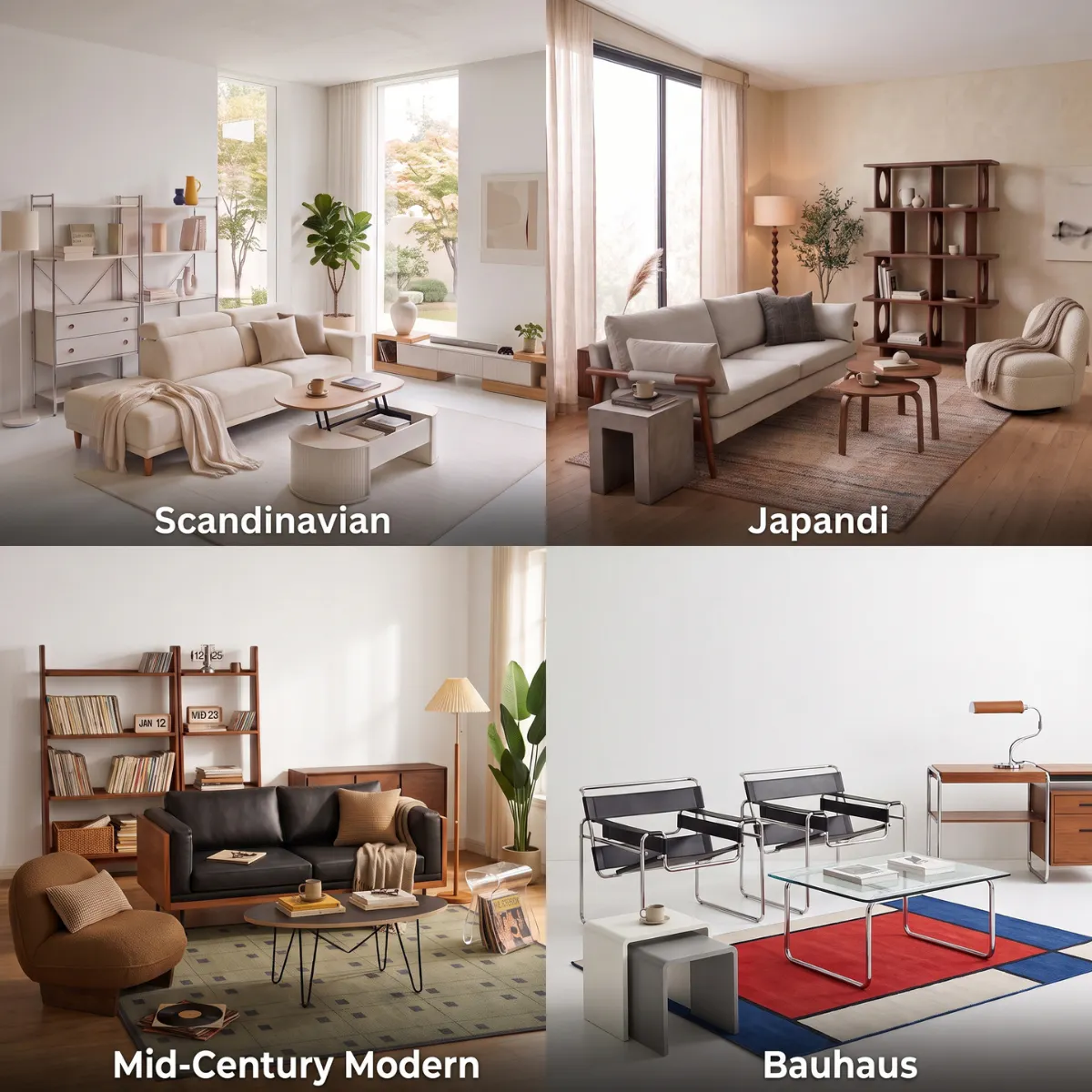
If you have been following home design at all over the past few years, the direction ahead for the next few years will feel less like a clean break and more like a gentle turn. The styles Singapore homeowners already love are getting warmer, softer and more useful, while one classic is making a quiet return. The four taking over local homes in the upcoming years are a warmer Japandi, Scandinavian 2.0, a more grown-up Mid-Century Modern, and a Bauhaus revival built around function. Whether you live in a BTO, an older HDB or a condo, here is how each one is changing and how you can bring it home.
The Big Shift: Evolution Over Reinvention
If there is one thread running through this year's interior design trends in Singapore, it is the move away from cold, sterile minimalism and towards something warmer, more comfortable and more useful.
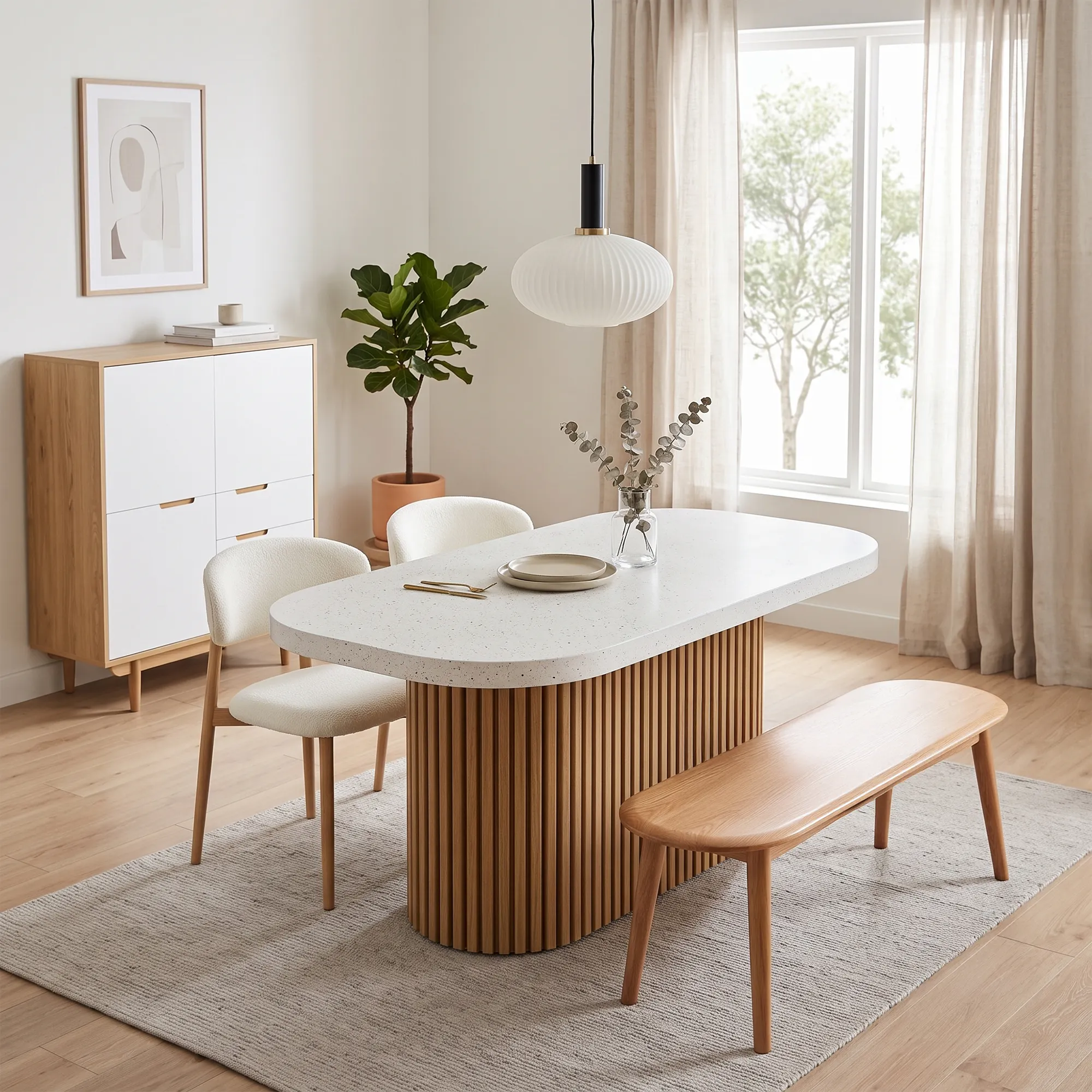
Japandi is softening with warmer woods and layered textiles. Scandinavian is going moodier, with deeper palettes and curved lines. Mid-Century Modern is no longer trying to take over the room; it is settling in alongside contemporary pieces. And Bauhaus is back, this time as a thoughtful answer to over-decorated rooms in compact homes.
Here is how each one is evolving.
1. Japandi Gets Warmer
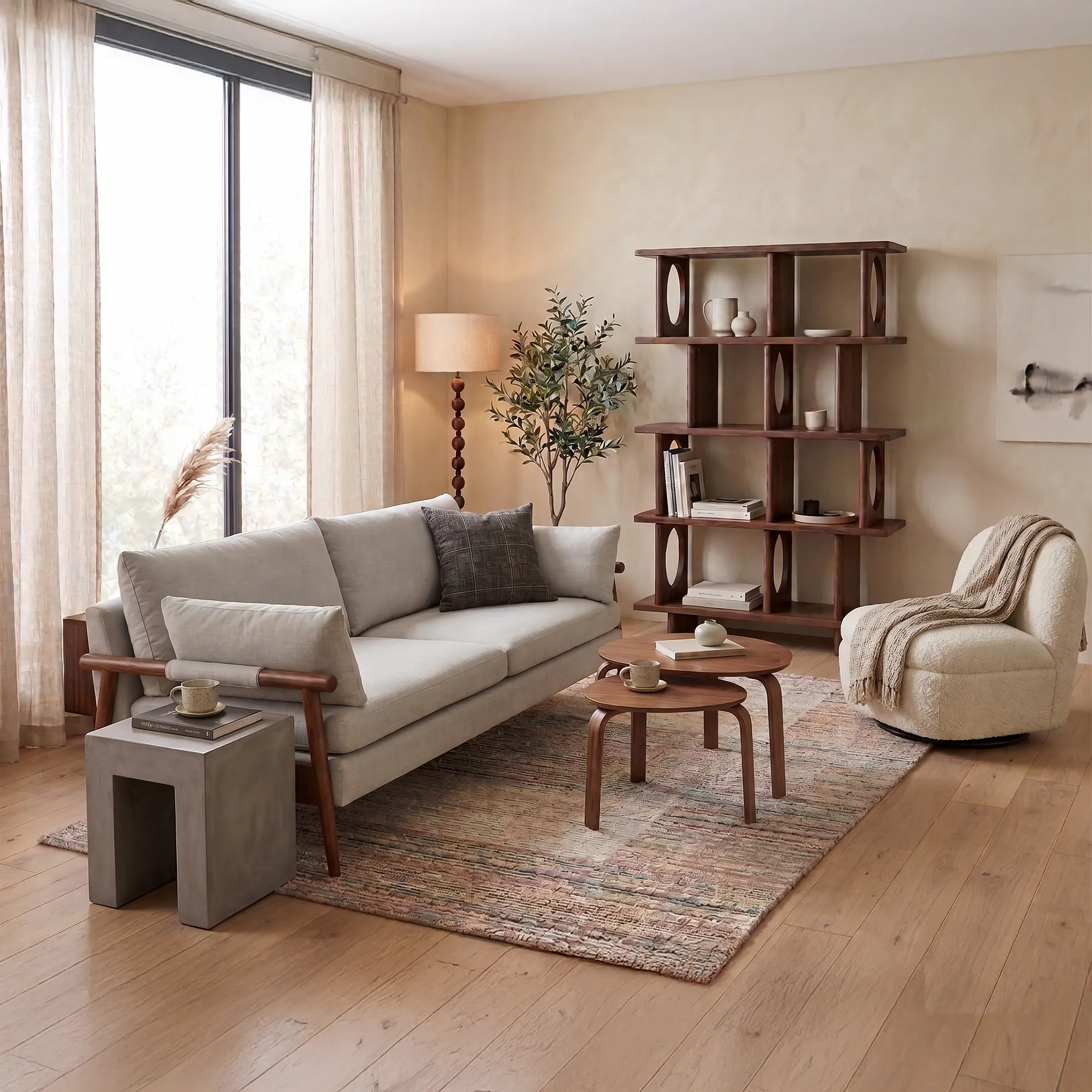
For a few years, Japandi was defined by muted tones, natural textures and a strict, quiet restraint. The lines were clean, the spaces were quiet, but the whole thing could feel a little austere if you were not careful. That is changing fast. The 2026 version of Japandi interior design is warmer, softer and noticeably more layered, and it is winning over the homeowners who admired the look but never quite warmed to it.
The cool greys are giving way to honey oak, terracotta and clay. Linen and bouclé are taking over from harder, glossier finishes. Even the lines themselves are loosening up, with gentle curves bringing softness into a style that used to be all straight edges. The end result feels more like a home and less like a gallery, which is a welcome shift for Singapore families.
If you would like to bring warmer Japandi into your space, a few pieces will get you most of the way there:
- A low-profile sofa in warm neutral upholstery to anchor the room
- A honey-toned oak dining table or sideboard for the warm-wood layer
- Bouclé cushions, a linen throw and a textured rug for depth and softness
- One earthy accent colour, like terracotta, rust or sage, to lift the neutral base
The look works particularly well in compact BTOs, where those low silhouettes keep the room feeling open while the textures add the warmth the original Japandi look often misses.
3. Mid-Century Modern Meets Contemporary Living
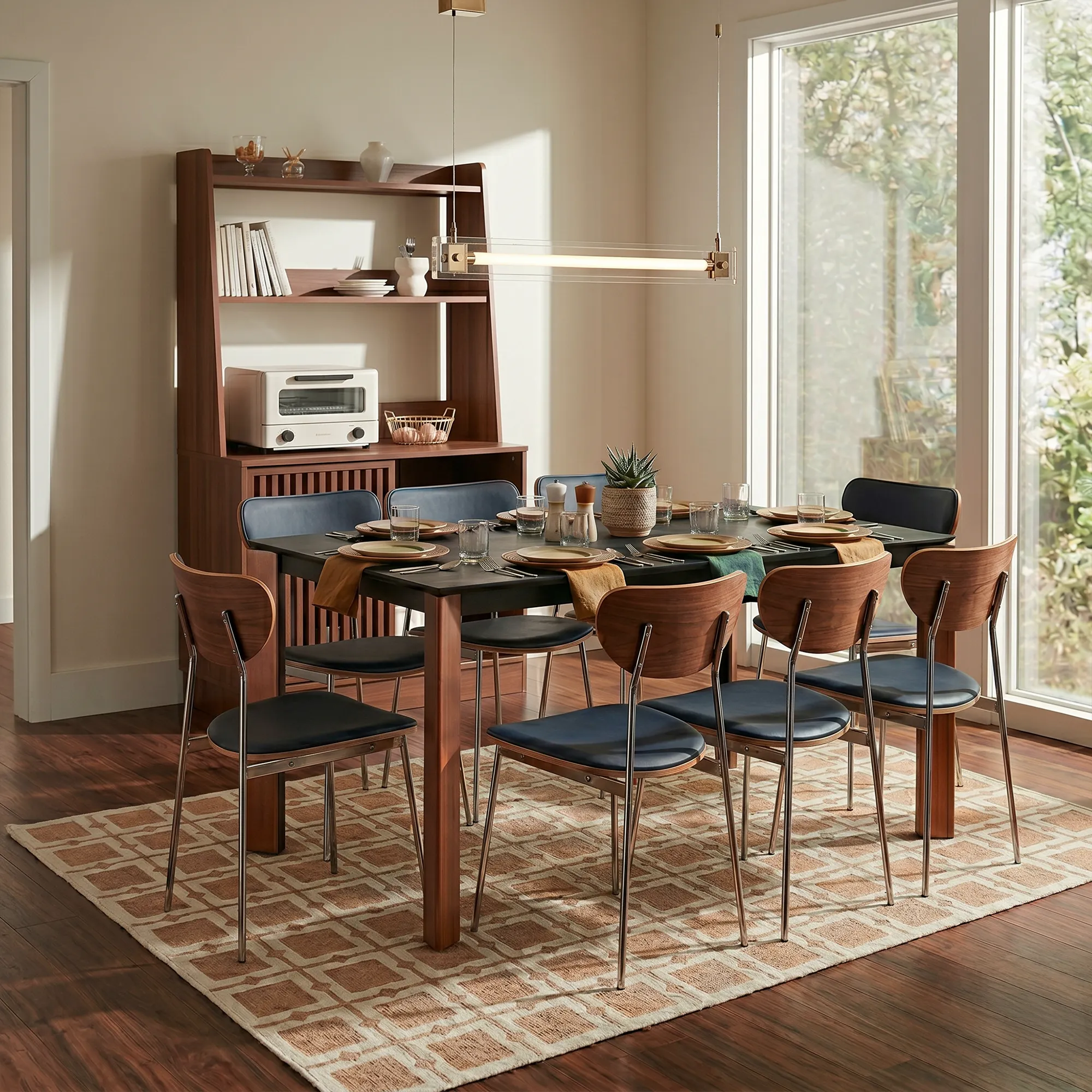
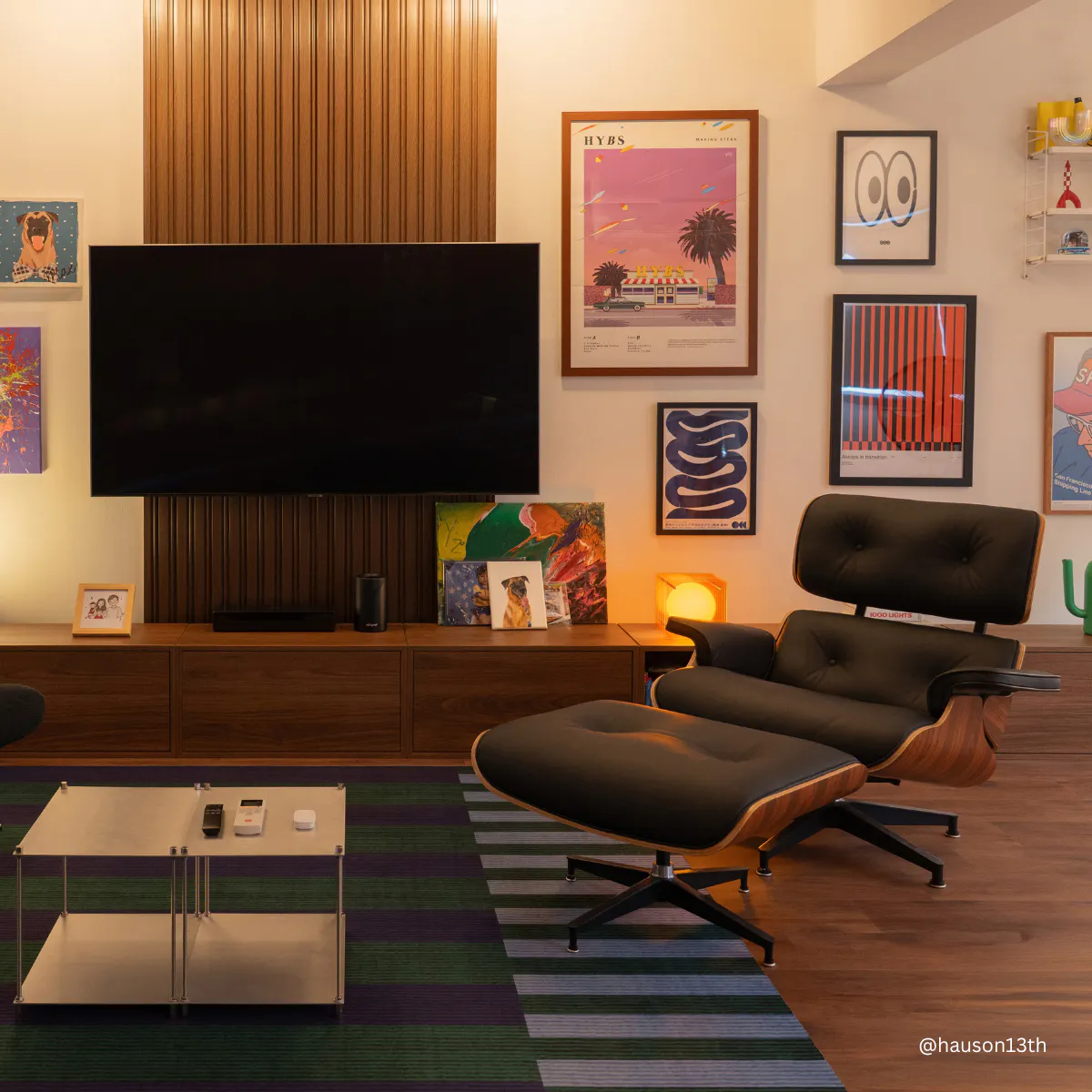
Mid-century modern interior design is evolving to suit how people live today. Where full MCM rooms were once the natural way to embrace the style, today's take is slightly more subtle. Instead of recreating a 1960s living room, today's MCM borrows from it. One or two hero pieces, paired with contemporary neutrals, and the room takes on warmth and character without surrendering its modern feel.
The shift is towards less retro pastiche and more selective accents. Walnut and teak tones now sit alongside contemporary upholstery and clean-lined storage rather than dominating it. Tapered legs and gentle curves blend into modern minimalist rooms instead of overpowering them. In compact Singapore flats, this is a particularly welcome change. You get the warmth and soul of MCM without the whole space feeling like a theme.
If you would like to bring it in, the trick is restraint:
- Pick one or two MCM hero pieces, like a walnut sideboard or a tapered-leg lounge chair, and let them anchor an otherwise contemporary room
- Pair them with neutral upholstery and clean-lined storage
- A walnut or teak dining table is one of the easiest entry points for many homes
- Add a sculptural pendant light if you want one more piece of MCM character
The result works beautifully in HDB and condo living rooms, where one warm-wood piece gives a modern space its character.
4. Bauhaus-Inspired Functional Living
The return of Bauhaus design might be the most surprising trend on this list, but it makes sense the moment you see it in a small home. After years of softer, rounder, more decorative styles, the form-follows-function thinking of Bauhaus is back, and Singapore's compact flats are exactly the right place for it.
The visual shift is clear: clean geometric shapes are returning after years of curves, tubular metal and bent-wood pieces are re-entering the mainstream, and primary colours are reappearing as bold but sparing accents. Most importantly, multi-functional pieces are being favoured over purely decorative ones. The reason the look resonates here is simple. In a small Singapore flat, every piece has to earn its footprint, and Bauhaus's quiet practicality fits HDB and BTO living far better than fussier styles ever could.
To bring it into your home, start with pieces that pull their weight and let one or two bold accents do the talking:
- Multi-functional pieces that earn their footprint, like a storage ottoman or modular shelving units
- One geometric statement piece per room, like a bent-wood chair or a circular mirror
- A restrained neutral base, like an eggshell sofa or earth-toned bedding, lifted by a single bold accent, for example, mustard throw cushions or a coffee table in deep blue
- Clean tubular-metal or bent-wood dining chairs that look light but work hard
It is an especially strong fit for studio BTOs and 3-room HDBs, where furniture has to earn its place, and decorative-only pieces can feel cluttered if you’re not careful.