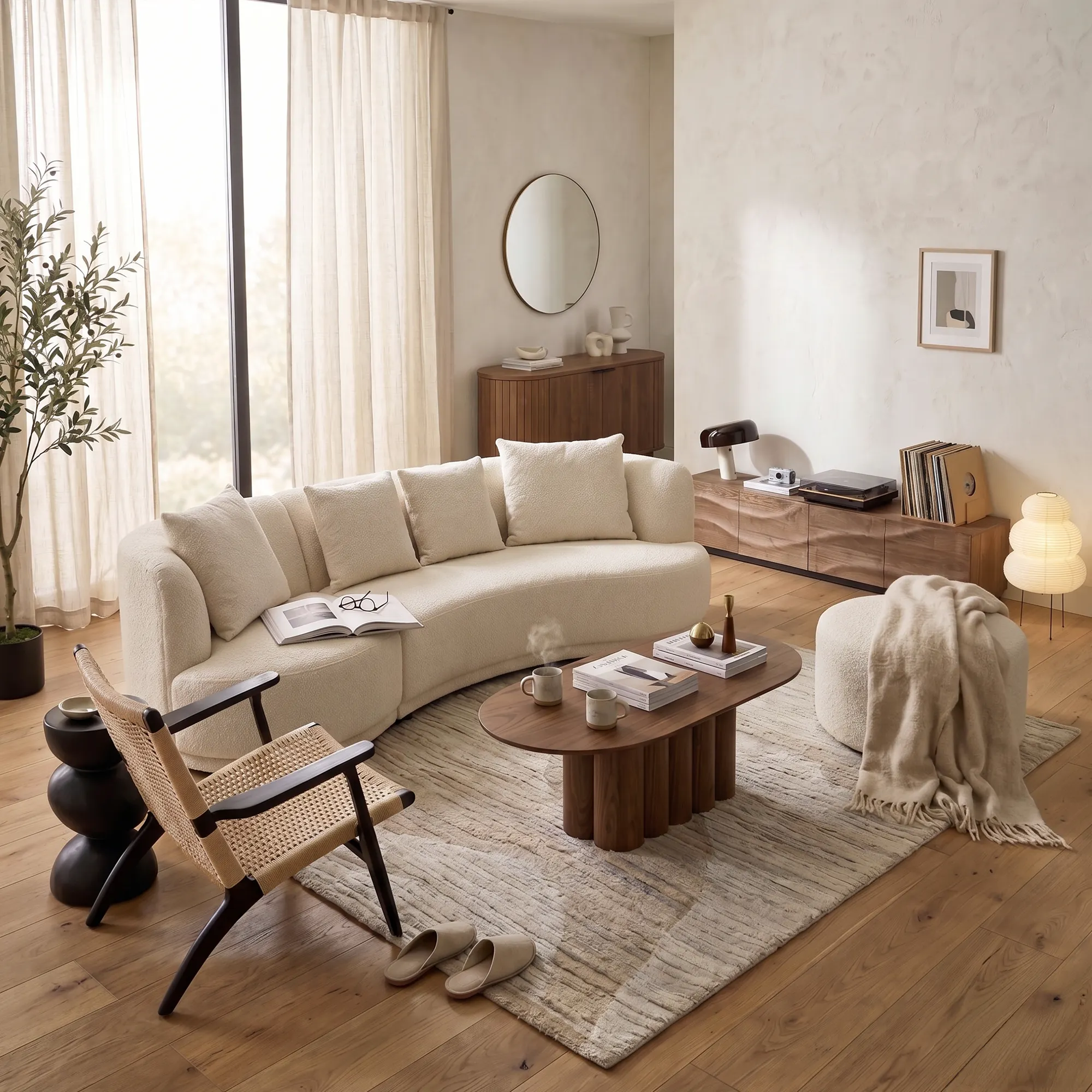
How to Choose a Sofa in Singapore: Types, Styles & Materials
Choosing a sofa in Singapore comes down to three local realities: tight floor plans, year-round humidity, and the hope that your buy outlasts your next move. This guide walks you through every sofa type, every style and every material, plus sizing for HDB and condo living and a simple decision framework, so you can pick a sofa that fits your space, your climate and the way you actually live.
TL;DR: The Whole Guide in Five Lines
- Types: From sectionals to settees, the difference is mainly size and shape; a 3-seater (200 to 220 cm) suits most BTO living rooms, while an L-shape or sectional needs a 4-room flat or larger.
- Styles: Eight looks, from mid-century modern to Japandi; match the one that suits your existing furniture rather than chasing trends.
- Materials: Materials are the single biggest decision in our climate, and performance fabric or top-grain leather are the two safe defaults for most Singapore homes.
- Sizing: Measure your room, your doorway and your lift before you fall for anything; the two-thirds rule keeps the proportions right.
- Decision framework: Choose by lifestyle, household, hosting habits, climate, style and budget, in that order.
Short on time? Skip to the Material Comparison Table for the at-a-glance verdict, or How to Choose Your Sofa for the step-by-step.
Types of Sofas
Sofa or couch, the words mean the same thing, and the different kinds of sofas and couches really come down to size and shape. Here are all the main sofa types you will find in Singapore, from the smallest commitment to the largest.
A Quick Comparison of the Different Sofa Types
| Type | Typical width | Best for | Seats |
|---|---|---|---|
| Sectional | 250–320 cm | 5-room / condo | 4–6 |
| Modular | Varies (flexible) | Any | 2–6 |
| L-shape | 240–280 cm | 4-room and up | 3–5 |
| 2-seater | 140–180 cm | Studio / 3-room | 2 |
| 3-seater | 200–220 cm | BTO / 4-room | 3 |
| 4-seater | 240–320 cm | 4-room and up | 4 |
| Chaise | 200–240 cm | 4-room and up | 3–4 |
| Recliner | 180–230 cm | TV room | 2–3 |
| Sofa bed | 140–200 cm | Studio / guest room | 2–3 (sleeps 1–2) |
| Loveseat | 130–160 cm | Bedroom / nook | 2 |
| Settee | 120–160 cm | Dining / hallway | 2–3 |
Sectional Sofa
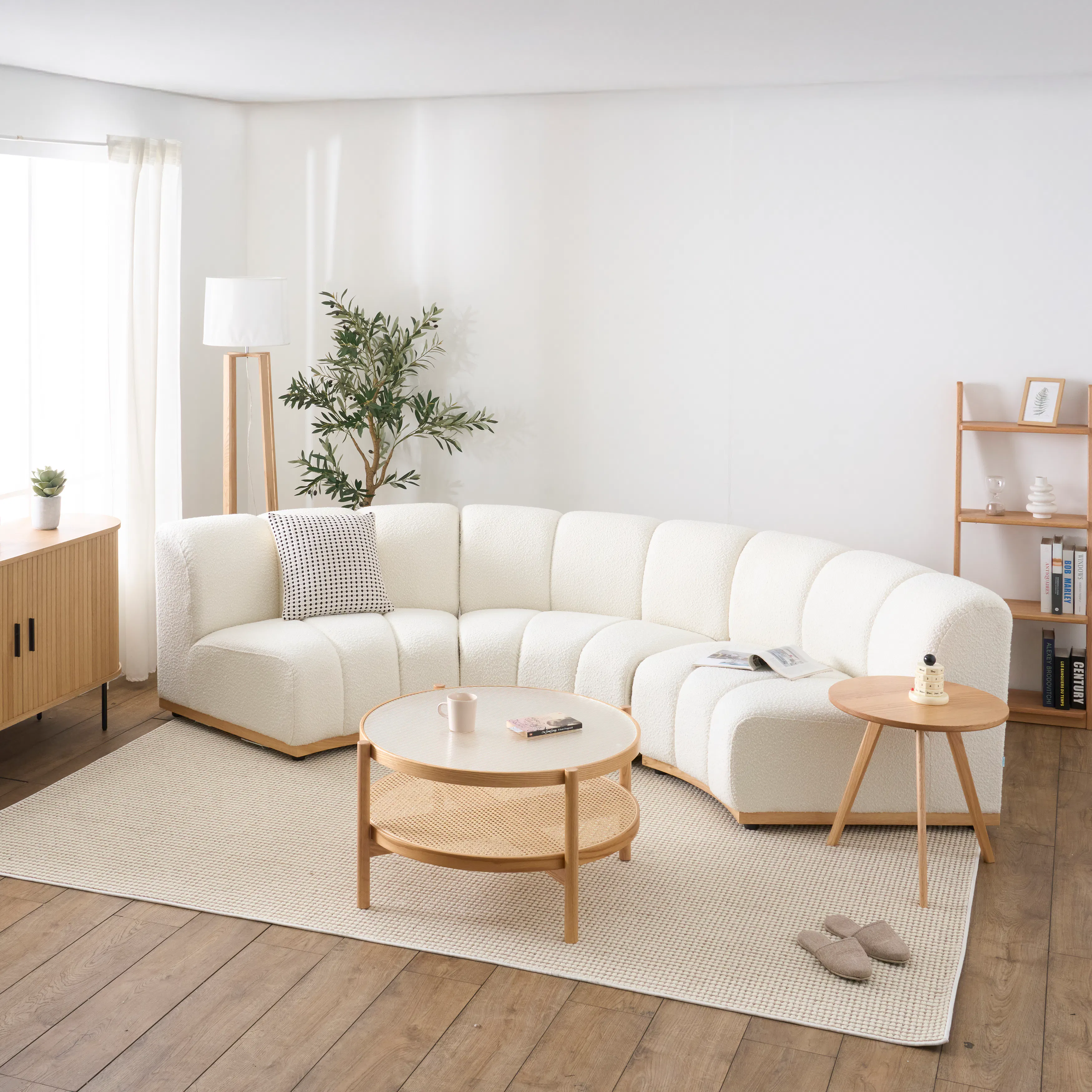
A sectional is a large sofa built from several connected sections that lock together into one continuous L or U shape. Most sectionals run 250 to 320 cm along the longest side, so they suit 5-room HDB flats and condos with open-plan living areas. Because the sections form a fixed configuration, measure your space carefully before buying.
Best for: Large households and open-plan rooms that host often.
Modular Sofa
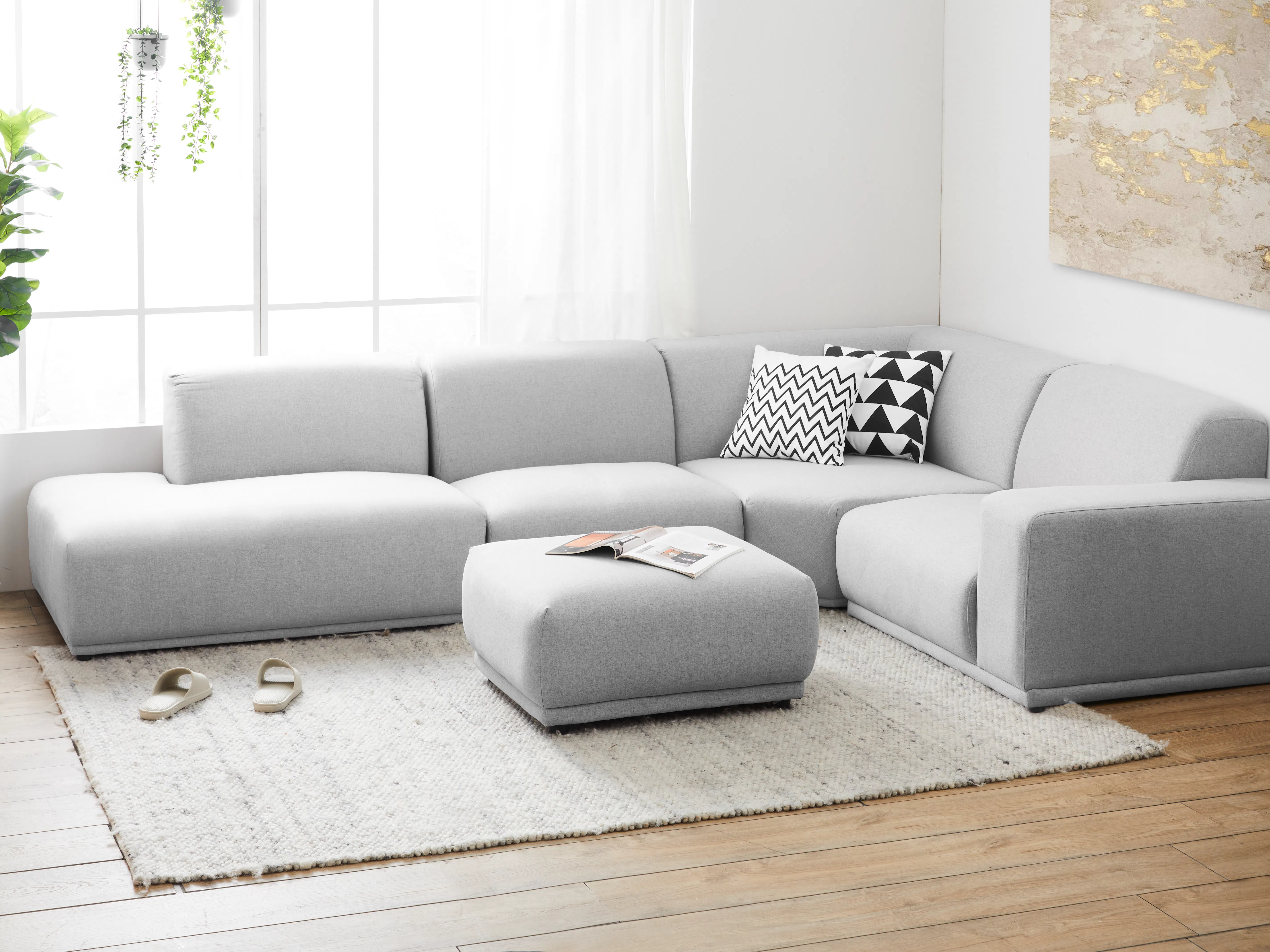
A modular sofa is made of independent units (armless seats, corner pieces, ottomans) that you can rearrange, add to or split apart whenever you like. That flexibility makes it the easiest sofa to move through tight Singapore corridors and lifts, since it travels in pieces and assembles on site. Many owners reconfigure it from an L-shape into a straight three-seater when they move house.
Best for: Renters, frequent movers and anyone who wants to change their layout later.
L-Shape Sofa
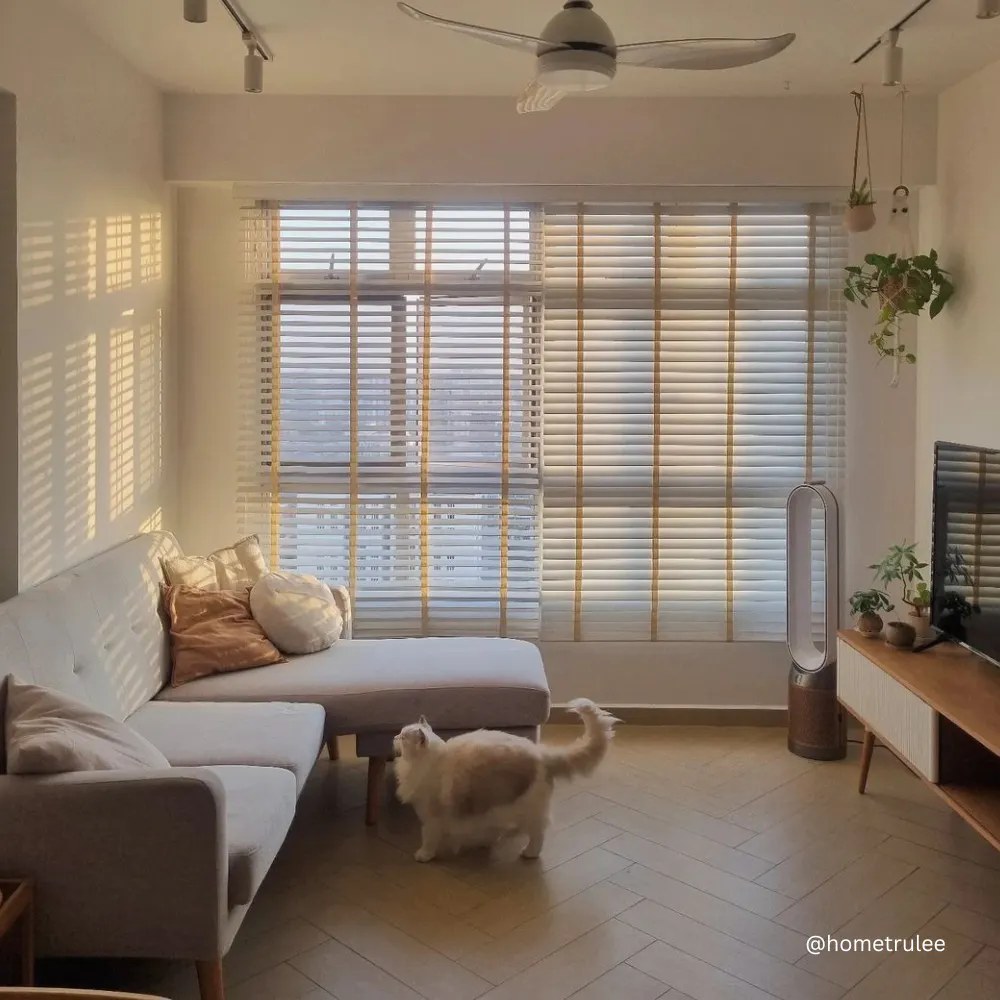
An L-shape sofa seats people along two perpendicular lines, with one longer side and one shorter return that tucks into a corner. It is the workhorse of the 4-room HDB and condo living room because it maximises seating while hugging the wall. The footprint is typically 240 to 280 cm on the long side.
Best for: Corner placement in 4-room flats and up.
Sectional vs modular vs L-shape, cleared up: these three labels answer different questions. Sectional describes what the sofa is made of (multiple connected sections). Modular describes how flexible it is (sections that detach and rearrange), while L-shape describes the final shape it makes. One sofa can be all three at once: a modular sectional arranged in an L.
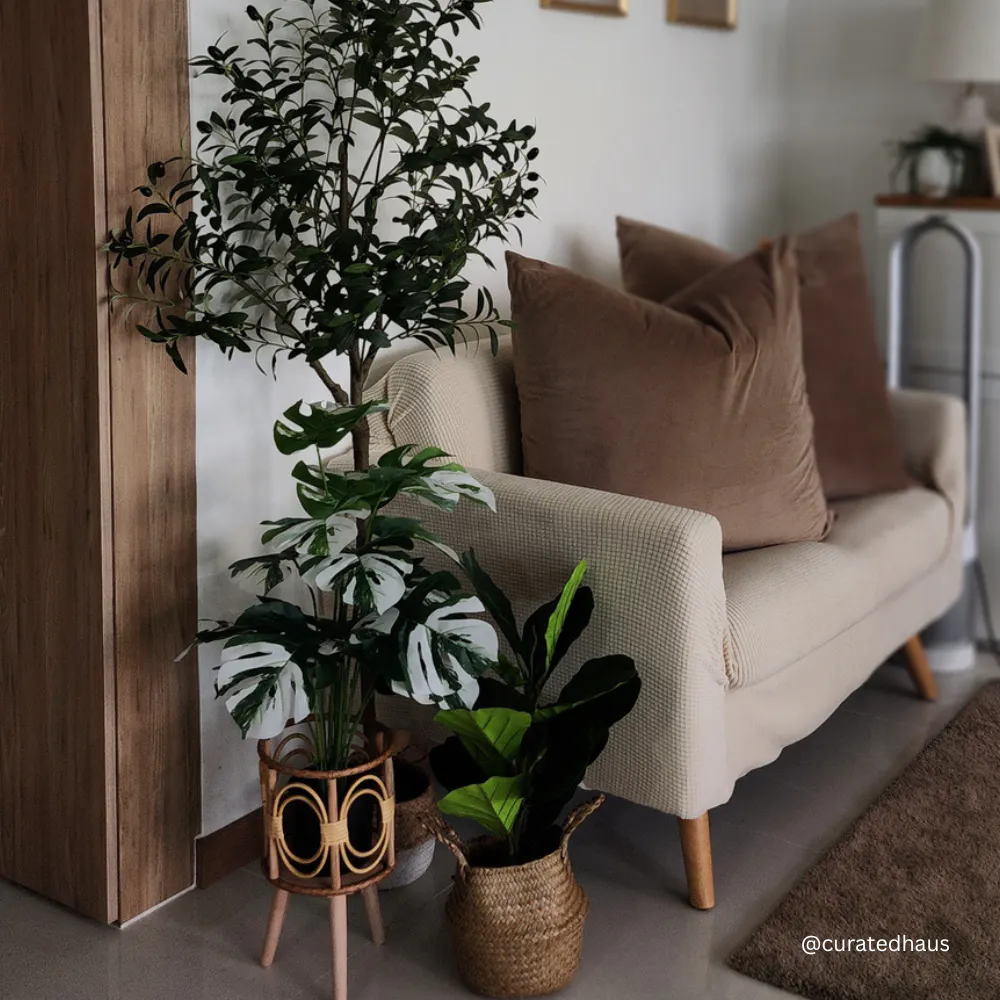
2-Seater Sofa
A 2-seater is a compact sofa that seats two adults comfortably, usually 140 to 180 cm wide. It fits studio and 3-room BTO living rooms where a larger sofa would block walkways, and it doubles as a second sofa in bigger homes.
Best for: Studios, 3-room BTOs and couples.
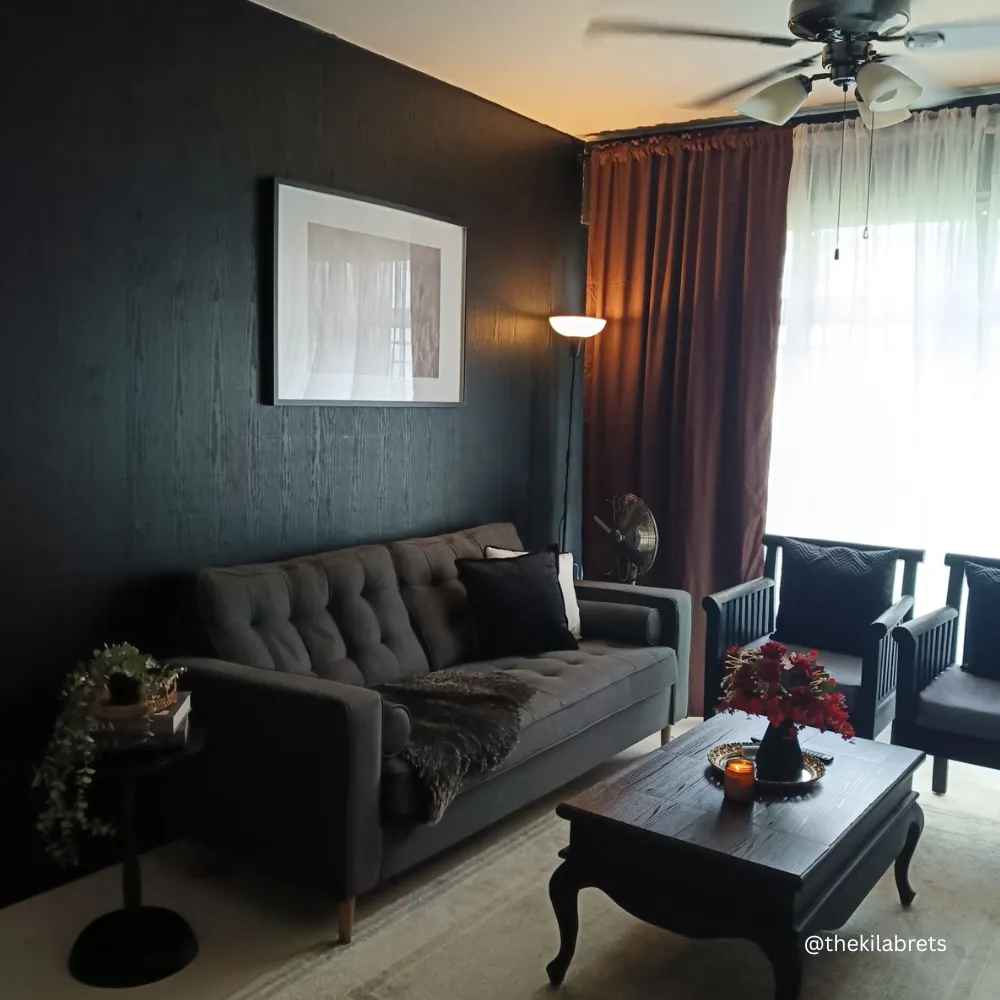
3-Seater Sofa
A 3-seater is the default family sofa, seating three adults across roughly 200 to 220 cm. It fits most BTO and 4-room HDB living rooms with room to spare for a side table, which is why it is the size most Singapore households reach for first.
Best for: The typical BTO or 4-room living room.
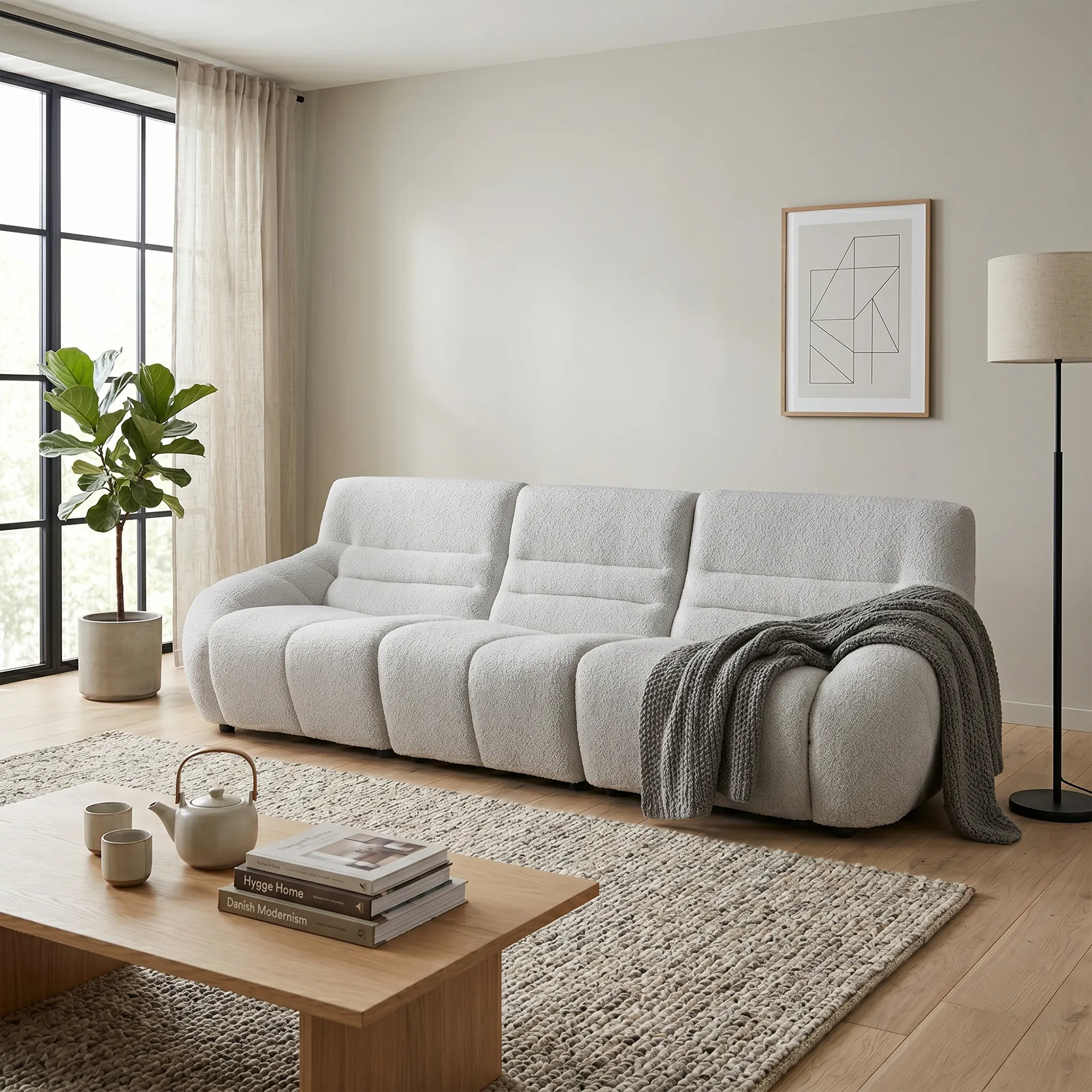
4-Seater Sofa
A 4-seater sofa offers generous seating for larger households, frequent hosts and anyone who likes extra room to stretch out. Its long, linear shape works best against a wide wall in a spacious living room, giving you ample seating without the corner extension of an L-shaped sofa. As it can dominate a compact layout, measure your floor space, walkways and delivery route carefully before buying.
Best for: Larger families, regular entertaining and spacious 5-room HDB, condo, EC or landed-home living rooms.
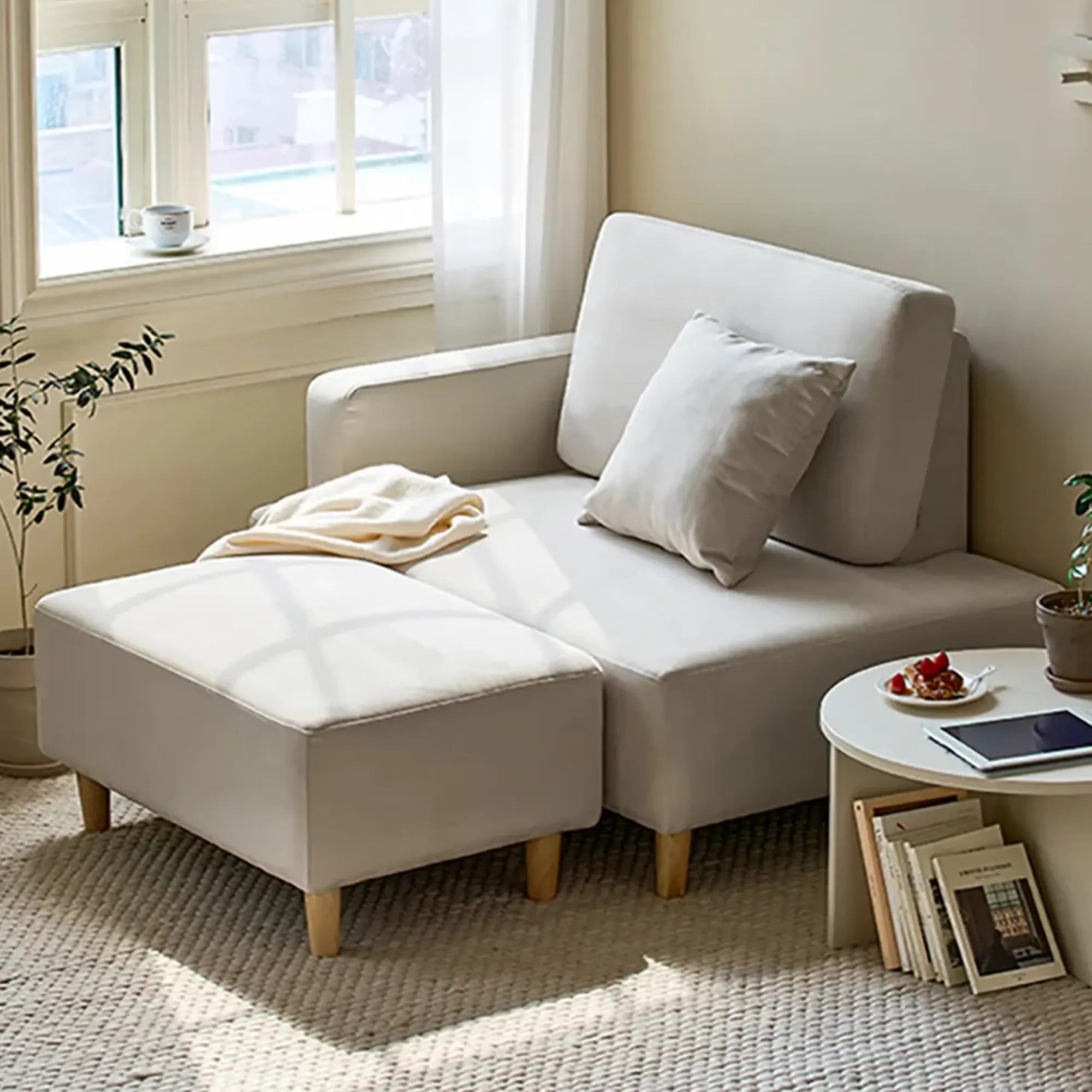
Chaise Sofa
A chaise sofa pairs standard seating with an extended, backless section long enough to stretch your legs out fully. It gives you the lounging comfort of an L-shape in a slightly smaller footprint, usually 200 to 240 cm. The chaise can sit on the left or right, so check which side suits your room layout.
Best for: Loungers who want to put their feet up without a full sectional.
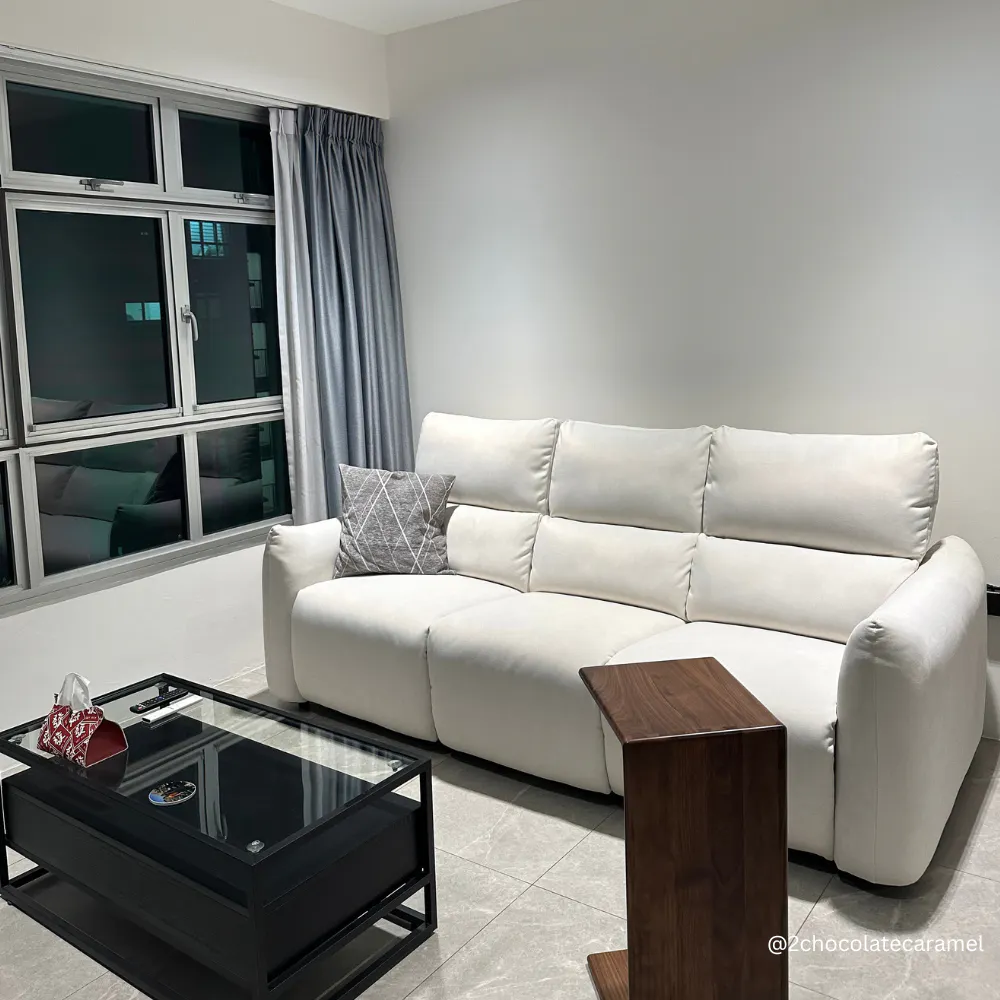
Recliner Sofa
A recliner sofa has seats that tilt back and extend a footrest at the pull of a lever or the push of a button. Standard models need around 40 to 50 cm of clearance behind the sofa for the backrest to drop, though zero-wall recliners (which we carry at HipVan) slide forward as they recline. They thus need only a few centimetres of clearance behind, which is a real win in compact living rooms. Lastly, manual recliners cost less, while powered versions add adjustable headrests and USB ports.
Best for: TV rooms and anyone easing tired backs or legs.
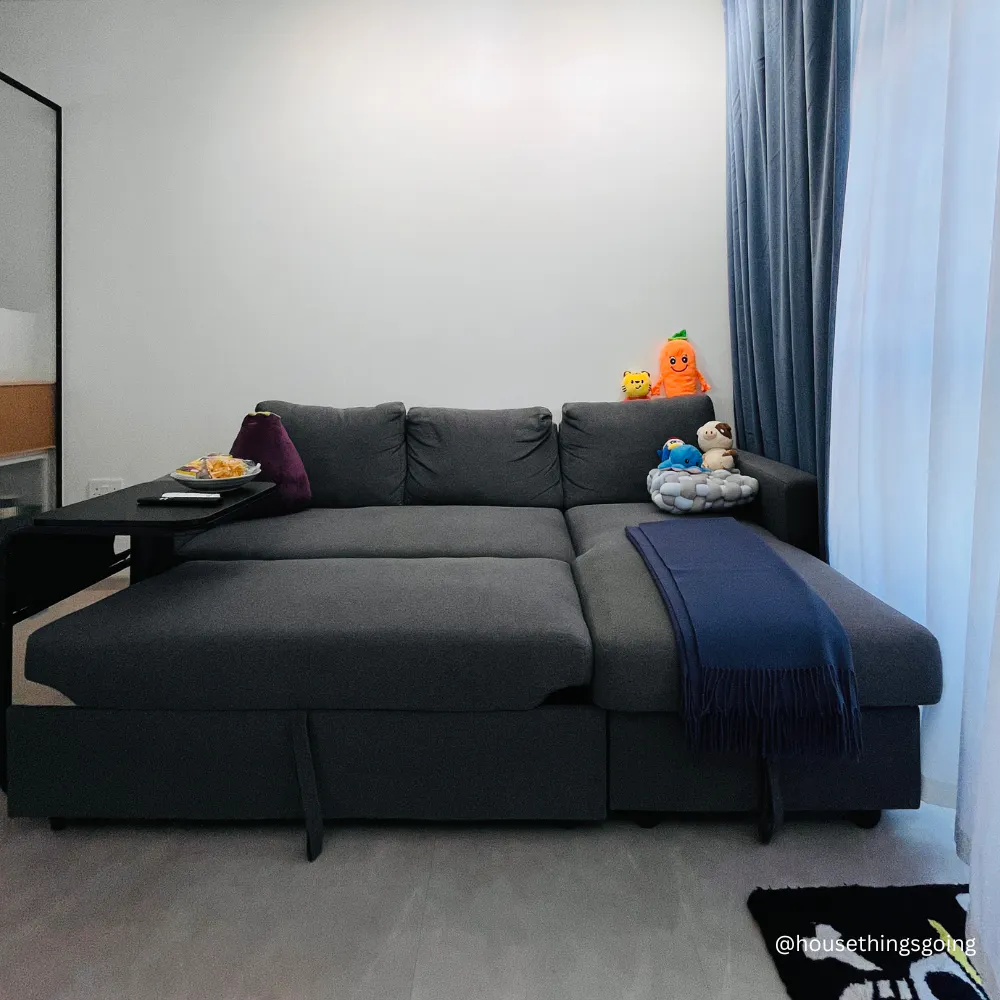
Sofa Bed
A sofa bed converts from a sofa by day into a bed by night, making it a space-saving favourite in Singapore homes. Pull-out and click-clack are the two common mechanisms: pull-outs sleep more comfortably, click-clacks take up less depth. It is ideal for studios and for hosting overnight guests without a spare room.
Best for: Small flats and homes that host guests overnight.
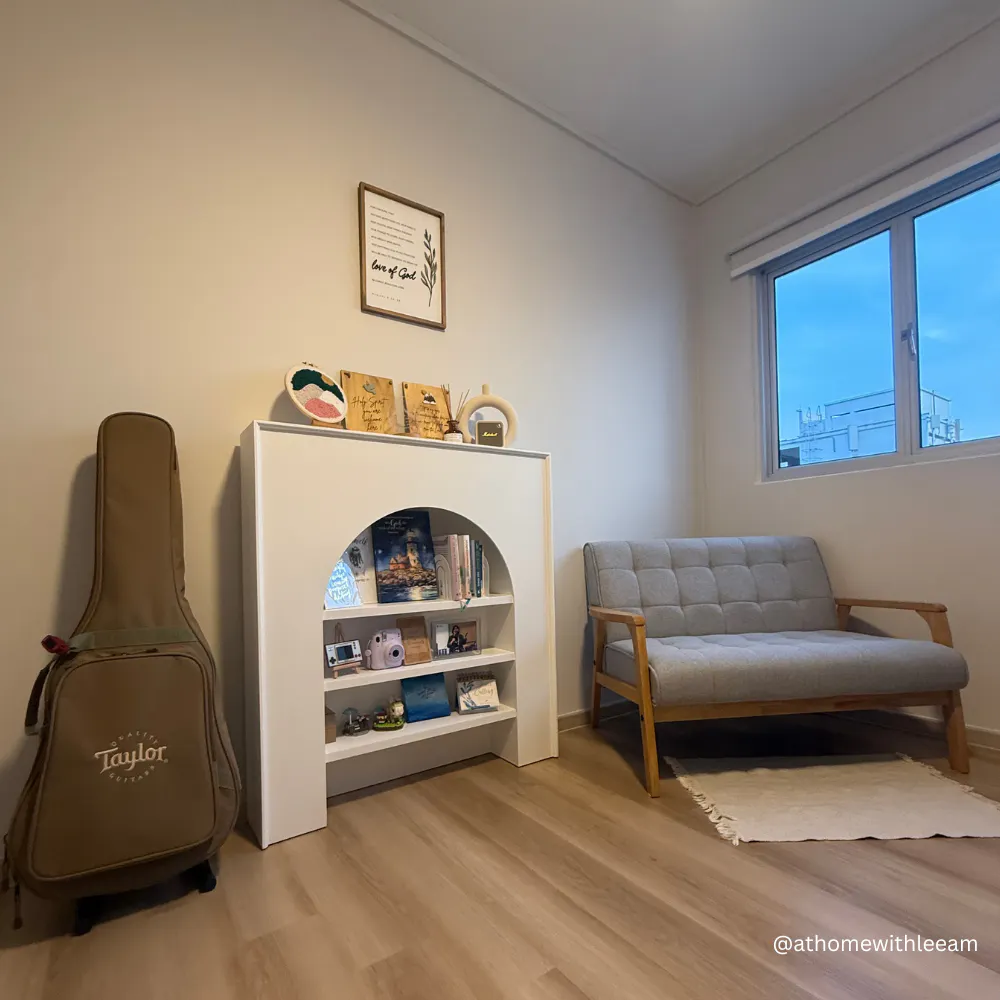
Loveseat
A loveseat is a cosy two-seater designed for closeness, often with softer, more rounded lines than a standard 2-seater. At roughly 130 to 160 cm it slots neatly into reading corners, bedrooms and balconies. Think of it as the intimate, decorative cousin of the more practical 2-seater.
Best for: Bedrooms, reading nooks and snug corners.
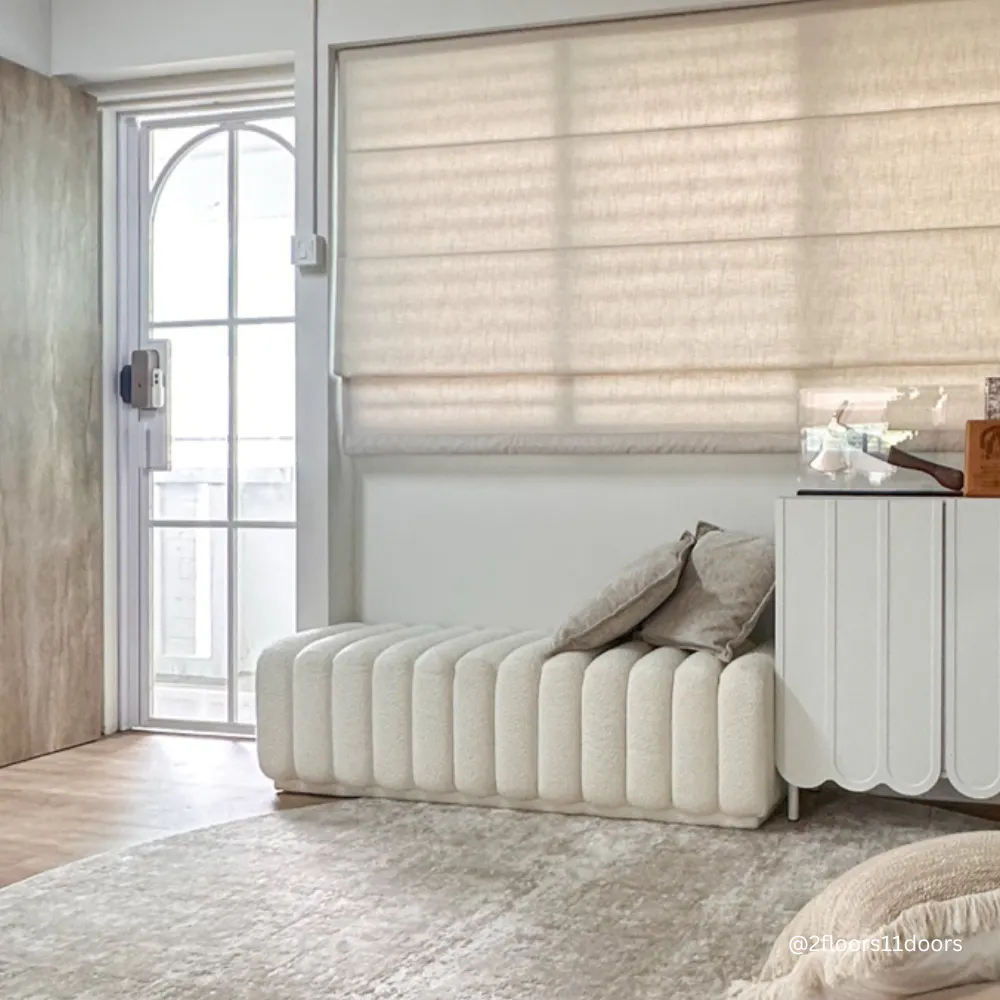
Settee
A settee is a slim, upright sofa with a low back and shallow seat, leaning more decorative than loungy. Its tidy proportions suit hallways, dining areas and formal corners where a deep sofa would feel bulky. It seats two to three people upright rather than for lounging.
Best for: Dining rooms, entryways and formal seating.
Sofa Styles & Aesthetics
Once you have the right shape, style is what makes the sofa feel like yours. Here are eight different sofa styles and the visual cues that define each, so you can match one to your home.
- Mid-Century Modern: Defined by tapered wooden legs, low track arms and clean, slightly retro lines, usually in neutral linen or leather. It suits homes that mix warm wood tones with a relaxed, lived-in feel.
- Minimalist / Contemporary: A minimalist sofa keeps things pared back: straight lines, a low profile, hidden legs and a single solid colour. It works in compact flats, where less visual clutter makes a room feel larger.
- Scandinavian: Scandinavian sofas feature light wood legs, soft neutral upholstery and gently rounded, friendly proportions. The look pairs naturally with white walls and plenty of natural light, a common Singapore condo backdrop.
- Japandi: Japandi blends Japanese restraint with Scandinavian warmth: low seating, natural materials, muted earthy tones and uncluttered forms. It suits calm, intentional homes that favour fewer, better pieces.
- Classic / Traditional: Classic sofas are defined by rolled arms, button tufting, deep cushioning and often a skirted base. They anchor formal living rooms and homes that lean timeless rather than trend-led.
- Industrial: Industrial sofas combine worn leather or dark fabric with exposed metal or wood frames and boxy, sturdy silhouettes. The style fits loft-like condos and homes with raw concrete, brick or dark accents.
- Modular / Sculptural: Sculptural sofas make a statement with curved, organic shapes, deep seats and bold single-colour upholstery. They work as the centrepiece of an open-plan space, where the sofa is meant to be seen from every side.
- Eclectic: An eclectic sofa mixes eras and textures freely, picture a velvet chesterfield against contemporary art, held together by one consistent colour thread. It suits confident decorators who enjoy curating rather than matching.
Mixing styles works when you give the room an anchor. Keep one element consistent across your pieces, usually colour, wood tone or leg shape and let everything else vary. A Scandinavian sofa can happily share a room with an industrial coffee table as long as their tones agree. The ultimate goal is creating a home that looks gathered over time, not bought in a single trip.
Sofa Materials
In Singapore's climate, the material is the single biggest factor in how long your sofa lasts and how it feels day to day. Heat, humidity and small spaces are hard on the wrong materials, so it pays to understand what sits beneath the upholstery before you choose a cover. Three things decide a sofa's quality from the inside out.
- Frame: The frame is the skeleton, and a good one is made of kiln-dried hardwood joined with mortise-and-tenon or dowelled joints rather than staples or glue alone. Kiln-drying removes moisture so the wood resists warping in humidity. Avoid frames made of pressed board or particleboard, which sag and crack within a few years in our climate.
- Suspension: Suspension is the support system under the cushions. Sinuous (no-sag) S-springs give firm, even support and last well, while higher-end sofas use eight-way hand-tied springs for a more tailored feel. Webbing-only suspension is cheaper but stretches and loses its shape faster.
- Cushion Fill: Cushion fill decides comfort and how the sofa holds up over time. High-density polyurethane (PU) foam keeps its shape best and is the practical default; foam wrapped in fibre adds softness with decent support; full down or feather is the most luxurious but needs regular plumping. For daily family use, high-density foam or a foam-and-fibre blend is the sweet spot.
With the structure understood, the cover is where most of the real decision-making lives. The next sections break down leather, faux leather and fabric, and how each behaves in a Singapore home.
Leather Sub-types: Full-Grain, Top-Grain, Bonded & Pigmented
Not all leather sofa is equal, and the grade matters more than the price tag suggests. Here are the four grades you will come across, from best to avoid.
- Full-Grain Leather: Full-grain is the highest grade, using the entire top layer of the hide with its natural markings intact, and it develops a rich patina as it ages. It is the most durable and the most expensive, and it rewards owners who want a sofa that looks better over a decade.
- Top-Grain Leather: Top-grain is the sweet spot of price and quality, lightly sanded to remove imperfections while keeping most of the leather's strength and feel. It resists stains a touch better than full-grain and costs less, which is why it is the most popular genuine-leather choice.
- Pigmented / Corrected-Grain Leather: Pigmented leather has a sanded surface and a coloured polymer coating, making it the most uniform and hard-wearing but the least natural to the touch. The coating shrugs off scratches and spills, which suits homes with children or pets.
- Bonded Leather: Bonded leather is made from shredded leather scraps glued onto a backing, and despite the name it behaves more like coated fabric. It typically cracks and peels within two to four years, especially in heat and humidity, so we would steer you away from it for any sofa you want to keep.
A quick finish note: Aniline leather is dyed without a surface coating for the most natural look and feel but stains easily, while semi-aniline adds a light protective coat that balances softness with everyday practicality.
In Singapore's humid climate, leather sofas generally age better in cooler, air-conditioned homes and benefit from conditioning every 6 to 12 months to stop the surface drying out.
Faux Leather Sub-types: PU, PVC, Bi-cast & Bonded
Faux leather gives you the leather look at a fraction of the cost, but the trade-off is always lifespan: the cheaper the material, the sooner it peels. Here is how the four common types compare.
- PU (Polyurethane) Faux Leather: PU is the most common faux leather, soft to the touch and reasonably convincing, with a typical lifespan of three to five years. It breathes better than other synthetics, which helps in our humidity, though it will eventually flake at high-use spots.
- PVC (Polyvinyl Chloride) Faux Leather: PVC is cheaper and more resistant to spills but far less breathable, so it can feel sticky against the skin in Singapore's heat. It suits low-use furniture more than a daily family sofa.
- Bi-cast Leather: Bi-cast uses a split-leather backing topped with a polyurethane coating, so it looks like leather, but the bond between the layers still separates and peels over time. It sits in an awkward middle ground: pricier than PU, yet not much longer-lasting.
- Bonded Faux Leather: Bonded is the fastest to peel of all, made from leather scraps and glue on a fabric backing. In our climate, it can start flaking within a couple of years. So avoid it if possible.
If you are renting or furnishing short-term, PU faux leather is the sensible pick. If you want a sofa that lasts seven years or more, put the money into top-grain leather instead and skip faux leather altogether.
Fabric Sofa Materials: Cotton, Linen, Velvet, Polyester, Microfiber & Bouclé
Fabric sofas are the most popular choice in Singapore homes, and for good reason: they breathe well in the heat and come in the widest range of colours and textures. Here is how six common fabrics hold up against the three things that matter most in our climate, namely breathability, stain resistance, and resistance to mould and mildew.
-
Cotton
Cotton is a soft, breathable natural fabric that feels cool and comfortable in the heat. It breathes very well but stains easily and can hold moisture, which makes it more prone to mildew in unventilated rooms. It is best paired with a stain-guard treatment and good airflow.
-
Linen
Linen is a crisp, breathable natural fabric with a relaxed, textured look that suits Scandinavian and Japandi rooms. Its breathability makes it excellent for humidity, but it stains readily and wrinkles, and like cotton it can develop mildew if left damp.
-
Velvet
Velvet is a dense, plush fabric with a soft sheen that adds instant richness to a room. It is less breathable than linen or cotton and can trap humidity, though tightly woven velvet resists everyday stains reasonably well. Keep it in air-conditioned or well-ventilated spaces to avoid musty smells.
-
Polyester
Polyester is a hard-wearing synthetic that resists stains, fading and wrinkles better than natural fabrics. It does not breathe as well as cotton or linen, but it shrugs off moisture and is far less prone to mould, which makes it practical for Singapore homes.
-
Microfiber
Microfiber is a tightly woven synthetic with a soft, suede-like feel and strong stain resistance, since spills sit on the surface rather than soaking in. It handles humidity well and resists mildew, making it a low-maintenance, family-friendly option, with moderate breathability.
-
Bouclé
Bouclé is a looped, textured fabric that brings cosy, sculptural appeal to contemporary sofas. It is moderately breathable and hides light marks well, but its looped weave snags easily, which makes it a poor choice for households with cats or dogs. Keep it well away from claws.
-
Performance Fabric
Performance fabric is engineered upholstery, usually a high-grade polyester or polyester blend, that has been treated or woven to resist stains, moisture and abrasion far better than ordinary fabric. Originally developed for high-traffic and outdoor use, it has become a favourite for family homes. Three criteria define it:
- Stain resistance: Spills bead on the surface and wipe off rather than soaking in, so a knocked-over drink becomes a non-event.
- Abrasion resistance: Measured by rub count (the Martindale or double-rub test), performance fabrics typically rate 25,000 to 40,000 rubs, well above the 15,000 considered heavy domestic use.
- Easy care: Most carry a Code W cleaning rating, meaning you can clean them with water-based solutions.
The old knock against performance fabric sofas was that they felt plasticky. Modern weaves have largely solved this; today's performance linens and bouclés are soft and natural to the touch, and most people cannot tell the difference by feel.
Performance fabrics are recommended for: Families with young children, pet owners, frequent hosts, and high-humidity HDB flats.
But less ideal for: Minimalist households set on the slubby look and feel of genuine natural linen, where a purist may still prefer the real thing.
Material Comparison Table for Singapore Homes
Here's the whole material decision on one screen.
| Material | Durability | Ease of Care | SG Humidity Suitability | Best-fit Household | Indicative Price Band |
|---|---|---|---|---|---|
| Full-grain leather | Excellent (10–15+ yrs) | Moderate, condition regularly | Best in air-con | Long-term owners | Premium |
| Top-grain leather | Very good (8–12 yrs) | Moderate, wipe and condition | Good in air-con | Most homes, families | High |
| Bonded leather | Poor (2–4 yrs) | Easy but peels | Poor, peels in humidity | Avoid | Budget |
| PU faux leather | Fair (3–5 yrs) | Very easy, wipe clean | Fair, breathes a little | Renters, short-term | Budget |
| Cotton | Good with care | Moderate, stains easily | Breathes well, mildew risk | Low-traffic rooms | Mid |
| Linen | Good with care | Moderate, wrinkles | Excellent breathability | Style-led, low-traffic | Mid–High |
| Velvet | Good | Moderate, spot-clean | Keep in air-con | Statement rooms | Mid–High |
| Polyester | Very good | Easy, stain-resistant | Resists moisture well | Families, busy homes | Budget–Mid |
| Microfiber | Very good | Easy, wipe surface | Handles humidity well | Families, pets | Mid |
| Bouclé | Good (not for pets) | Moderate, snags | Moderately breathable | Pet-free style homes | Mid–High |
| Performance fabric | Excellent | Very easy | Excellent in all | Families, pets, hosts | Mid–High |
Shortcut: Performance fabric or top-grain leather are the two safe defaults for most Singapore homes. At HipVan we also offer free fabric swatches delivered to your doorstep if you would need a quick validation on whether the colour or fabric of your choice would blend into your existing decor theme.
Wellbeing & Material Safety
Material choice is not only about looks and longevity. What a sofa is made of also affects the air in your home, which counts for more in a compact, often air-conditioned Singapore flat where a new piece sits close to where you eat, work and relax. The reassuring part is that a little knowledge and one easy routine handle almost all of it, as the next three points show.
-
VOCs and That "New Sofa Smell"
The faint chemical smell of a new sofa comes from volatile organic compounds (VOCs), including formaldehyde, released by foams, adhesives and finishes. The smell is usually harmless and fades within days to a couple of weeks, but it can irritate sensitive people, so it is worth reducing where you can.
-
Certifications to Look For
Independent certifications tell you a sofa has been tested for safer materials. Look for CertiPUR-US foam (tested for low VOC emissions and no harmful additives), OEKO-TEX Standard 100 fabric (tested for harmful substances), and GREENGUARD Gold (low chemical emissions for better indoor air quality).
-
A Simple Routine After Delivery
Beyond choosing tested materials, the most effective step is also the easiest one. Ventilate a new sofa for 7 to 14 days after delivery: open the windows, run a fan, and let it off-gas before heavy use. If anyone in your home has allergies, choose a sofa with removable, washable covers so you can keep dust and allergens down with minimal effort. With those habits in place, the wellbeing side is largely settled, which leaves one big practical question: will the sofa actually fit your home?
Sizing & Fit for HDB, BTO & Condominium Living
The right sofa size depends on three things: your room dimensions, the access route from the lift to your door, and how you actually use the space. Get these right, and even a small flat can carry a generous sofa.
-
Measuring Your Room
Measure the wall the sofa will sit against, then leave walkways of at least 60 to 90 cm around it so the room flows. For comfortable TV viewing, sit roughly 2 to 2.5 metres from the screen. Sketch the layout before you shop.
-
Sofa Width vs Wall Length
A reliable guide is the two-thirds rule: your sofa should be about two-thirds the length of the wall it sits against. This keeps proportions balanced and stops a sofa from either swamping the room or looking lost in it.
-
Seat Depth & Back Height
Seat depth shapes how the sofa feels. Deep seats of 55 to 65 cm suit loungers who like to curl up; upright seats of 45 to 55 cm suit smaller frames and more formal sitting. Taller backs support the head and neck, while lower backs keep sightlines open in compact rooms.
-
Doorways, Lifts & Stairwells
Before buying, measure your doorway, lift, and any stairwell turns, because a sofa that does not fit the access route cannot be delivered in one piece. A standard HDB lift interior is roughly 100 cm by 150 cm, and the lift door is narrower still. Modular sofas solve most Singapore delivery headaches because they arrive in sections and assemble inside your home.
- 3-room or studio BTO: a 2-seater or compact 3-seater keeps walkways clear.
- 4-room HDB: a 3-seater, 4-seater or compact L-shape works well; check that your lift fits at around 100 cm by 150 cm.
- 5-room HDB or condo: full L-shape and sectional options open up.
Still unsure? Mark the sofa's footprint on your floor with masking tape and live around it for a day or two. It is the cheapest way to avoid an expensive mistake.
How to Choose Your Sofa
Here is how to choose a sofa in Singapore in six steps, in the order that matters most.
- What will you mainly use it for? Start with the primary job: daily lounging, formal seating, or doubling as a guest bed. A sofa built for Netflix marathons (deep seats, soft fill) is a different buy from one meant for tidy, upright entertaining. Naming the main use narrows the field fast.
- Who lives in your home? Young children, pets and elderly family members each change the answer. Kids and pets push you towards performance fabric or pigmented leather; elderly users benefit from firmer, higher seats that are easier to rise from. Be honest about real daily wear.
- How often do you host, and for how many? If you entertain regularly, count the seats you genuinely need and lean towards an L-shape or sectional. If hosting is rare, a 3-seater plus a couple of accent chairs is more flexible and frees up floor space the rest of the time.
- Is your home air-conditioned or naturally ventilated? Climate decides material more than most people realise. Air-conditioned homes can carry leather and velvet comfortably; naturally ventilated, humid flats do better with breathable fabric or performance fabric that resists mould.
- What style suits your existing room? Match the sofa to what you already own rather than starting a redecoration. Note your wood tones, wall colours and the room's overall mood, then pick a style that sits alongside them. One anchoring colour or material keeps the room coherent.
- What is your realistic budget? Set a number before you shop. As a benchmark, a quality fabric sofa starts around SGD 1,500, while top-grain leather sits closer to SGD 3,000. Spending a little more on the frame and cushion fill usually pays off in years of extra life.
Worked through all six and still weighing options? Check out our how to choose the right sofa size guide for more guidance and common mistakes to watch out for before you buy your first sofa. The FAQs below answer the questions we hear most, or you can browse the HipVan sofa range to see what fits.
Sofa Care & Maintenance Basics
A well-cared-for sofa lasts 10 to 15 years, and most of the upkeep is quick and routine. Here is the maintenance by material.
-
Leather
Dust weekly with a dry cloth, wipe spills immediately before they soak in, and condition every 6 to 12 months to keep the surface supple. Keep leather out of direct sunlight, which fades and dries it.
-
Faux Leather
Clean with mild soap and water only. Skip leather conditioners, which can break down the synthetic coating and actually speed up peeling. Wipe spills promptly.
-
Natural Fabric
Vacuum weekly to lift dust and crumbs, and blot (never rub) spills straight away. Always follow the cleaning code on the label: W means water-based cleaners, S means solvent only, WS means either, and X means professional cleaning or vacuuming only.
-
Performance Fabric
A damp cloth handles most marks, and many spills wipe off with water alone. Check whether the covers are removable and machine-washable, as a lot of performance ranges are.
Whatever the material, rotate and flip the seat cushions monthly. It is the single habit that evens out wear and can roughly double how long your sofa looks its best.